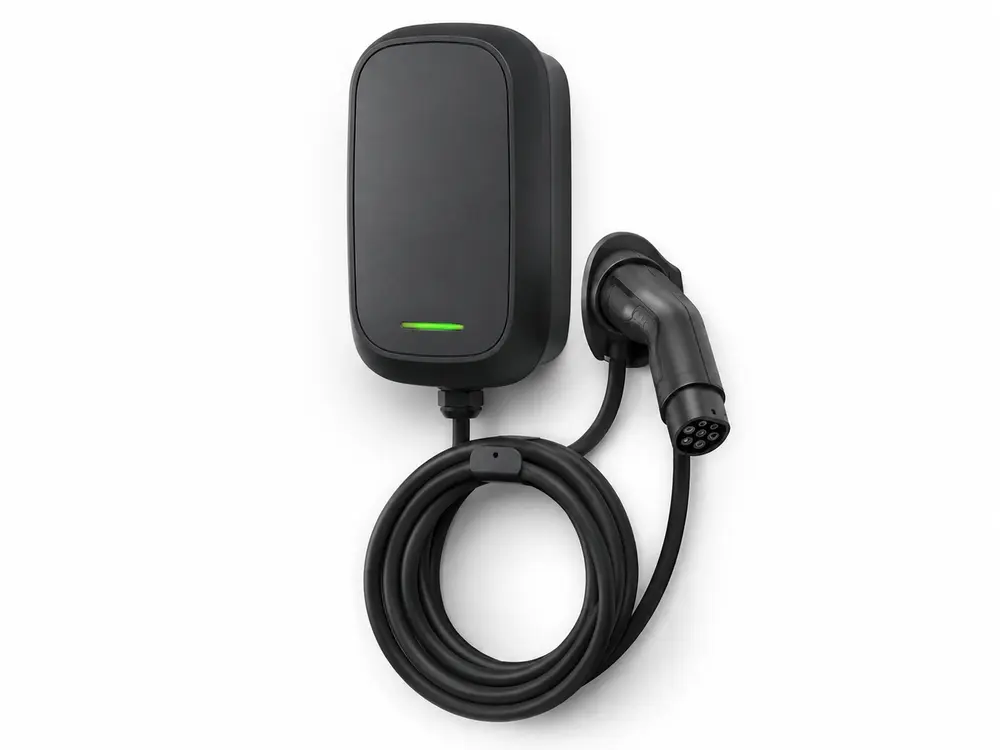
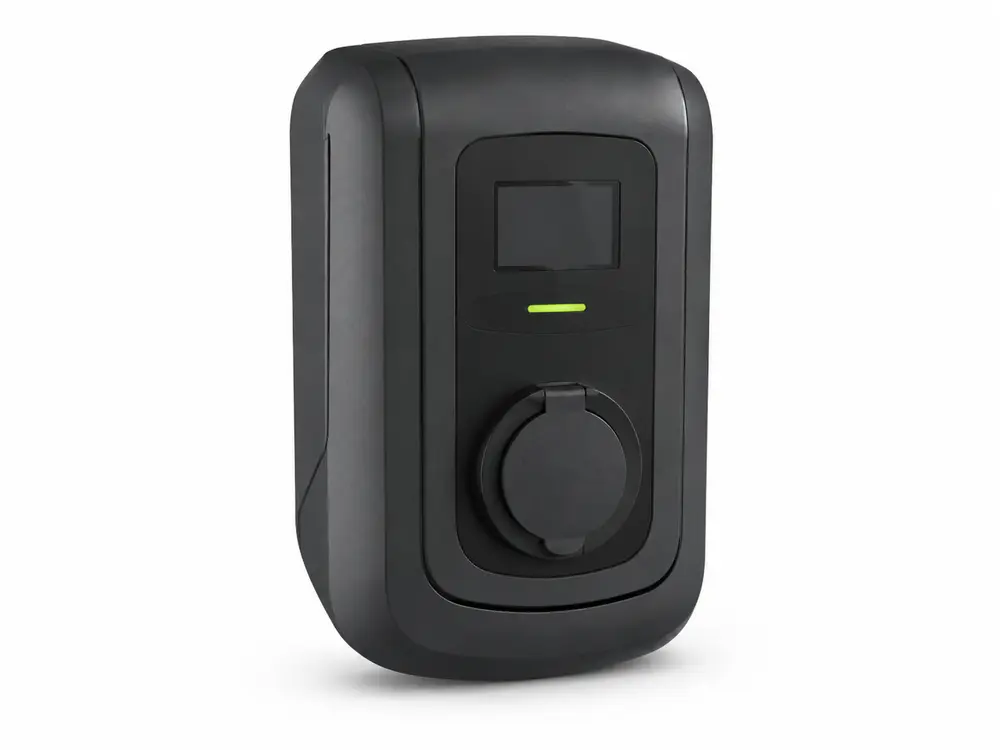
What should you take from this guide
- Maximum AC power
- Number of phases admitted
- Vehicle connector
- Exact version and year
In AC, the vehicle converts the energy and sets its own maximum.
Read the process from left to right. Each step must be resolved before turning the choice into a purchase.
AC does not enter the battery directly
The vehicle negotiates the available current and converts AC to DC. The allowed power depends on its hardware, software, phases and conditions.
The minimum is in charge
The actual power does not exceed the lowest limit between installation, EVSE, cable and internal charger. A larger equipment can provide a future, but not immediate speed.
Find the exact data
Manual consultation or official documentation of the model and vehicle version. Do not extrapolate from the DC power announced for fast charging.
Find the right car data
It looks for the maximum AC load power for the exact version of the vehicle. Do not confuse it with the DC fast load peak, which uses another architecture and is usually much greater.
Also check if the AC load is monophasic or three-phase. A more powerful wallbox can offer future margin, but it will not reduce the current time below the internal charger limit.
Checklist before continuing
- Maximum AC power
- Number of phases admitted
- Vehicle connector
- Exact version and year
Make the guide a decision.
Enter battery, percentage, power, rate and household consumption. Calculations run on your browser and do not require registration.
Limits and security
The results and explanations are indicative. They do not constitute an electrical project, compatibility certification or assembly instruction. The installation must be reviewed by a professional who is qualified in accordance with the applicable rules and the manufacturer's instructions.